
Messages from President and Director General

Message from President IIUI
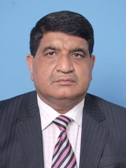
Message from Director General IRI
Latest News and Views
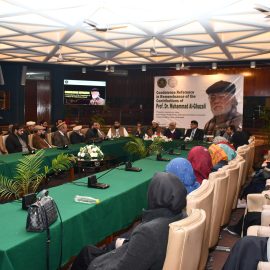
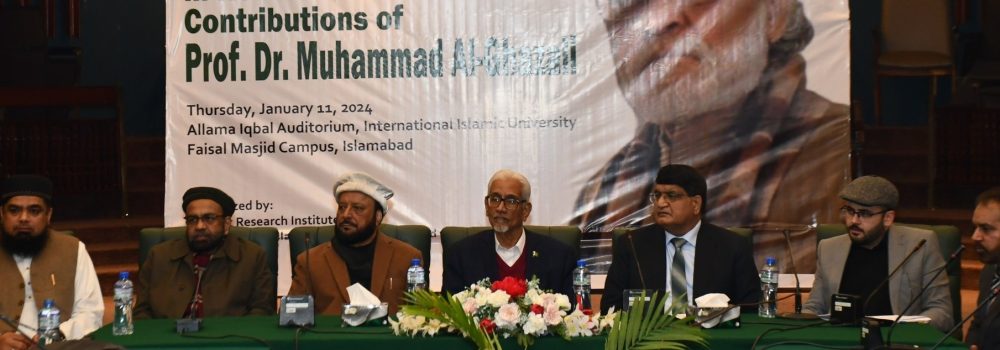
IRI ORGANIZED A CONDOLENCE REFERENCE IN MEMORY OF LATE JUSTICE PROFESSOR DR. MUHAMMAD AL-GHAZALI ON JANUARY 11, 2024 AT ALLAMA IQBAL AUDITORIUM
The Institute of Islamic Research, International Islamic University, Islamabad, organized a condolence reference in memory of Justice Professor Dr. Muhammad Al-Ghazali. The reference was chaired by Dr. Waqar Masood, the current advisor to... Read More

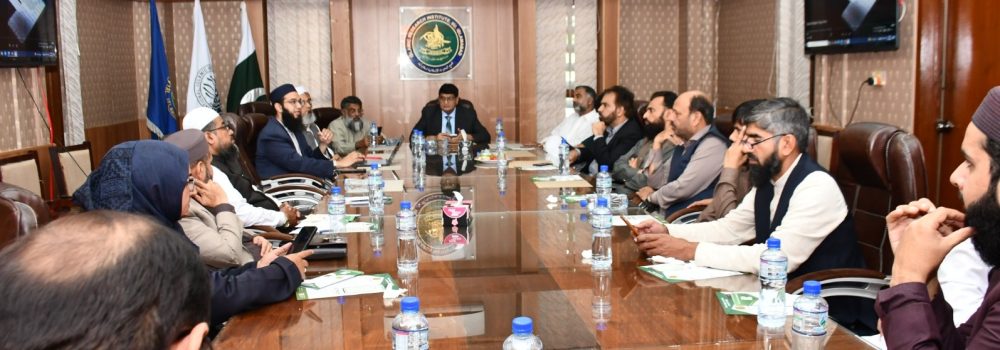
Exploring Collaboration: Islamic Research Institute and Pakistan Data Management Services Forge Collaborative Path
In a significant and strategic meeting held on Tuesday, October 24, 2023, the Islamic Research Institute (IRI) at the International Islamic University, Islamabad, welcomed a high-profile delegation from Pakistan Data Management Services. The... Read More
RELIGIOUS LEADERS STAND FOR A FAIR AND PEACEFUL WORLD: 2023-2033 Development Concept Congress of Leaders of World and Traditional Religions
2023-2033 Development Concept. Congress of the leaders of world and traditional religions Read More
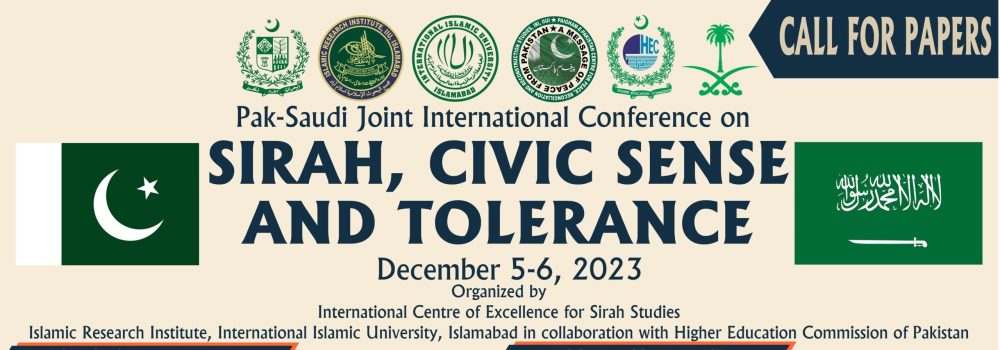
Call For Papers: Pak Saudi Joint International Conference
Call for papers: Read More
Call for Papers: A Pak-Saudi Joint International Conference on Sirah, Civic Sense and Tolerance
Call for Papers: A Pak-Saudi Joint International Conference on Sirah, Civic Sense and Tolerance (PDF) Read More

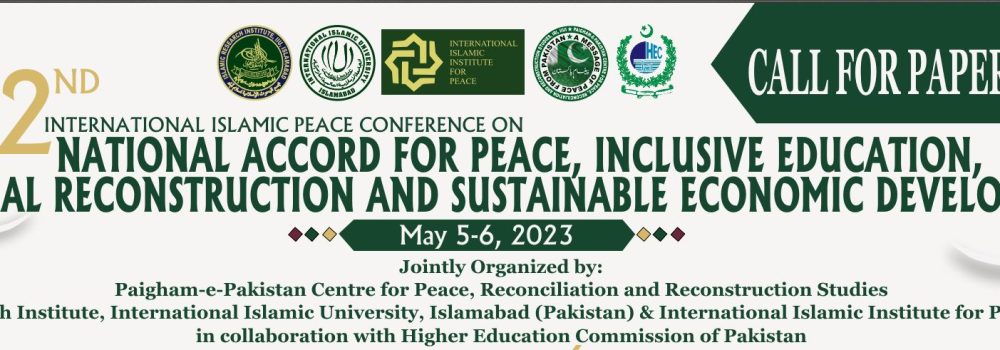
Revised CFP: Paigham-e-Pakistan Conf. on Peacemaking, National Integration, Social Cohesion and Interfaith Harmony
Please open the below mentioned link to read the revised call for papers: Revised Call for Papers for Paigham-e-Pakistan Conf. on Peacemaking, National Integration, Social Cohesion and Interfaith Harmony Read More
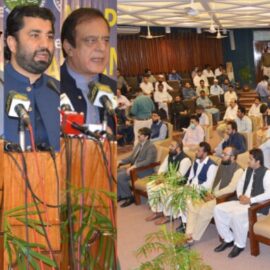
Information minister calls upon universities to promote research on inclusiveness
Minister for Information and Broadcasting Senator Shibli Faraz on Wednesday stressed upon the universities to promote research on inclusiveness and play role in educating youth about peaceful Islamic values. Speaking at an international... Read More
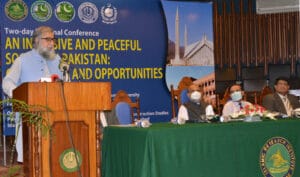
IRI holds conference on inclusive and peaceful society
Speakers at a national conference stressed the need for collective efforts to rid the country of the menaces of violence and sectarianism and build a peaceful society in the light of Islamic teachings. ... Read More